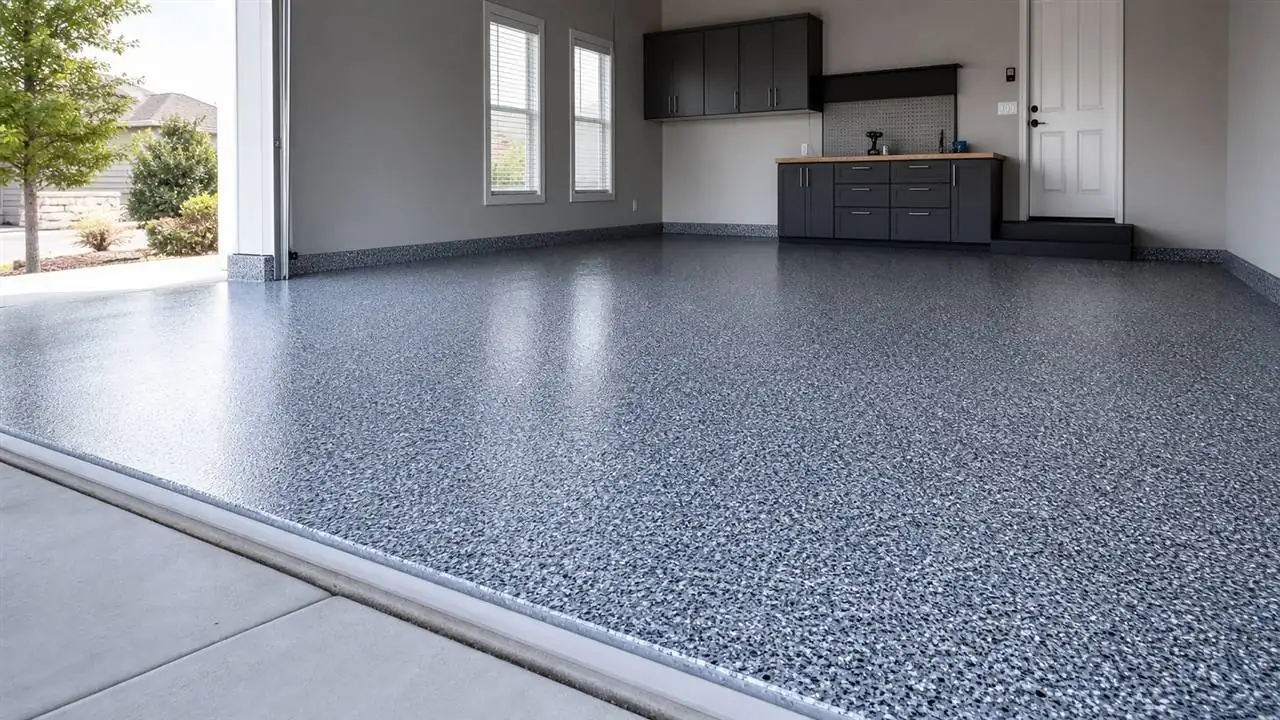
Epoxy Flooring & Garage Floor Coatings in Twin Falls, ID
Durable, low-maintenance floor coatings for garages, shops, basements, and commercial spaces—planned around your concrete and the way the room is used.
Epoxy Flooring Services in Twin Falls & Magic Valley
Residential Garage Floor Epoxy Systems
Full-flake garage systems designed for hot tires, seasonal grit, spills, tools, and routine cleaning.
Commercial & Industrial Floor Coatings
Seamless surfaces planned around traffic, cleaning, safety, operating schedules, and return-to-service needs.
Decorative Epoxy & Metallic Finishes
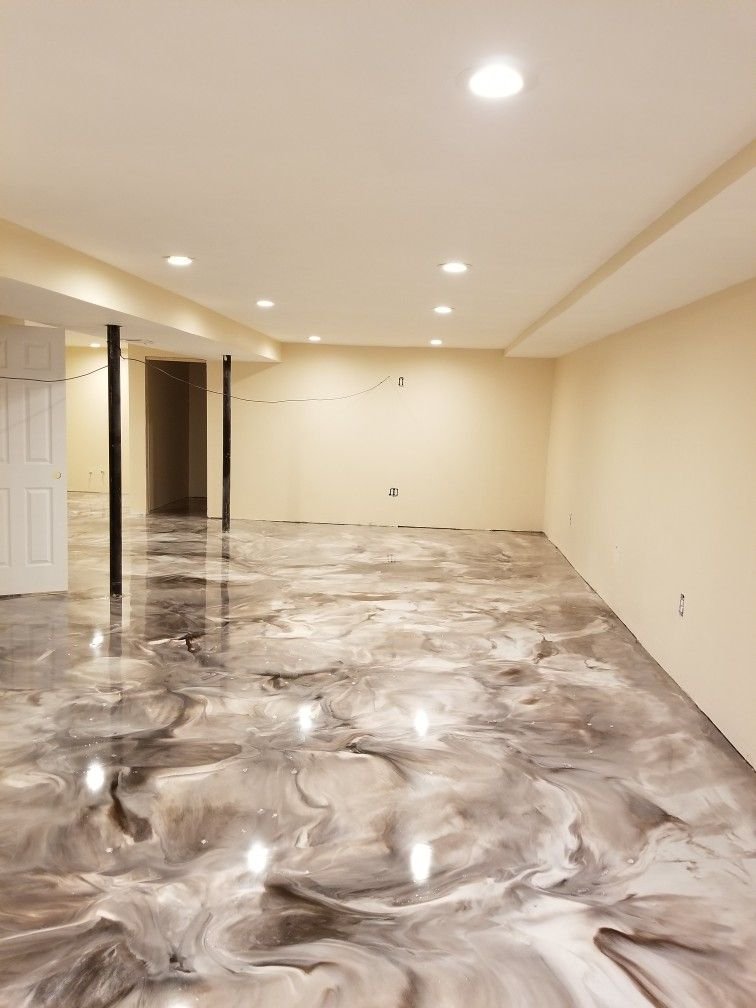
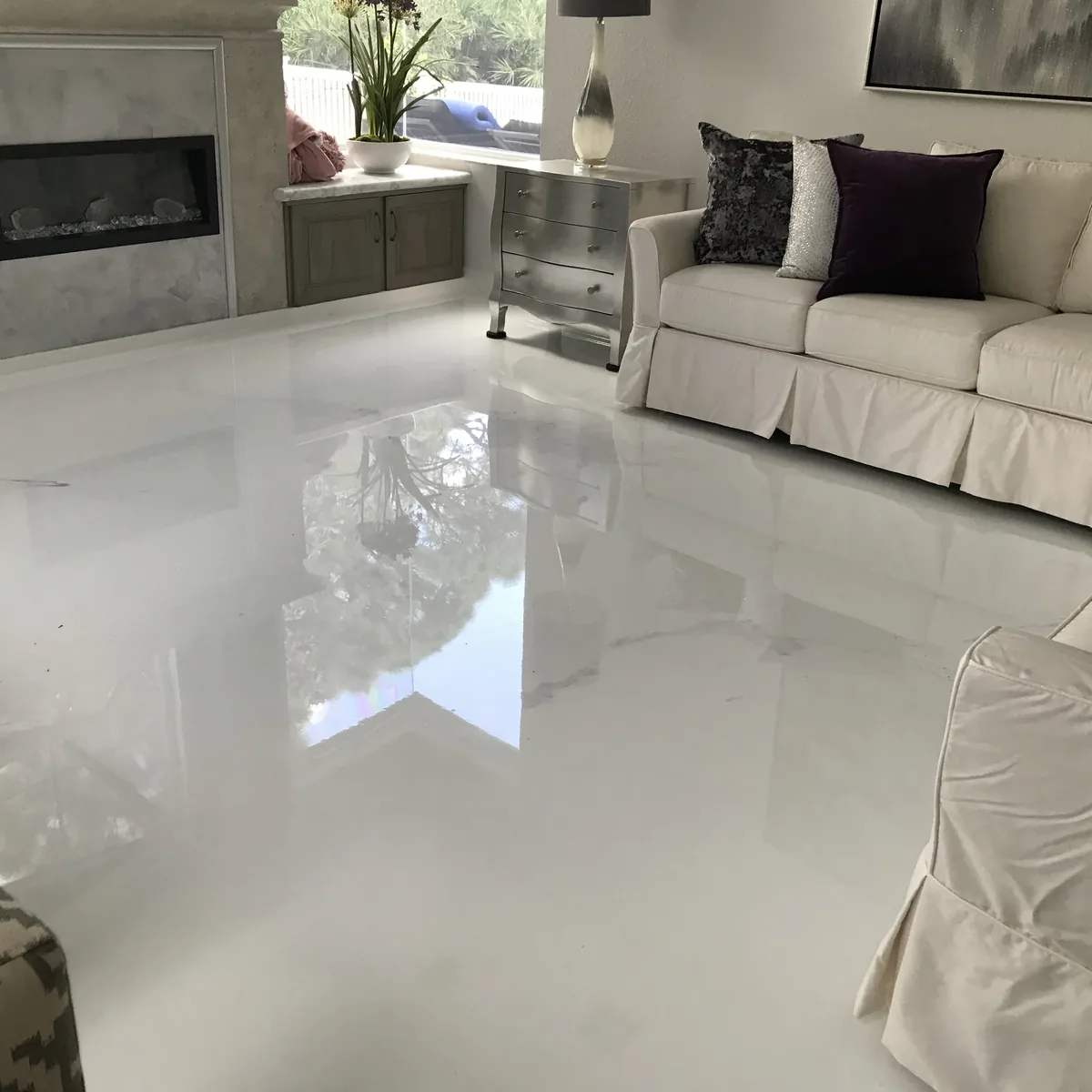
Flake, quartz, solid-color, and metallic-inspired finishes balanced with practical texture and maintenance.
Shop & Workshop Floor Coatings
Impact-conscious systems planned around machinery, rolling loads, oils, chemicals, and practical cleanup.
Basement Epoxy Flooring
Moisture-aware preparation and decorative finishes for lower-level living and recreation spaces.
Polyaspartic Floor Coatings
Fast-curing, UV-stable system options for eligible garages, entries, shops, and commercial floors.
Why bare or painted concrete underperforms
Bare concrete is porous. It collects dust, absorbs oil and de-icer residue, and can hold stains that become difficult to remove. In garages and shops, repeated tire traffic and abrasion gradually wear the surface. The floor may remain structurally sound while still looking unfinished and becoming harder to keep clean.
Basic floor paint changes color, but it does not correct weak surface paste, contamination, moisture, or an inadequate concrete profile. When paint is applied without proper preparation, peeling at tire paths, flaking near cracks, and premature wear are common. A professional system treats preparation, repairs, base coat, broadcast media, and topcoat as connected parts rather than separate cosmetic steps.
The best coating choice depends on the slab and exposure. A residential garage, a basement, a production room, and a commercial service bay do not place the same demands on a floor. Traffic, sunlight, temperature, chemicals, cleaning, drainage, and desired texture all influence the recommendation.
Magic Valley conditions shape coating decisions
South-central Idaho combines hot, dry summer weather with freezing winter temperatures. Garage floors also receive road de-icer, tracked moisture, sand, and grit. Agricultural and residential properties may add irrigation dust, soil, and repeated wet-dry cycles near doors and thresholds.
Those conditions affect resin chemistry, surface preparation, texture, color stability, and cure planning. UV exposure matters near open garage doors and sunlit commercial entries. Winter installation requires attention to slab and ambient temperatures, not just the air temperature shown on a weather app.
Site conditions vary even within the same town. An older Twin Falls garage with painted concrete may require different preparation than a newer shop outside Jerome or a shaded basement in Kimberly. Evaluation keeps the system tied to the property instead of a generic package.
What proper preparation and installation involve
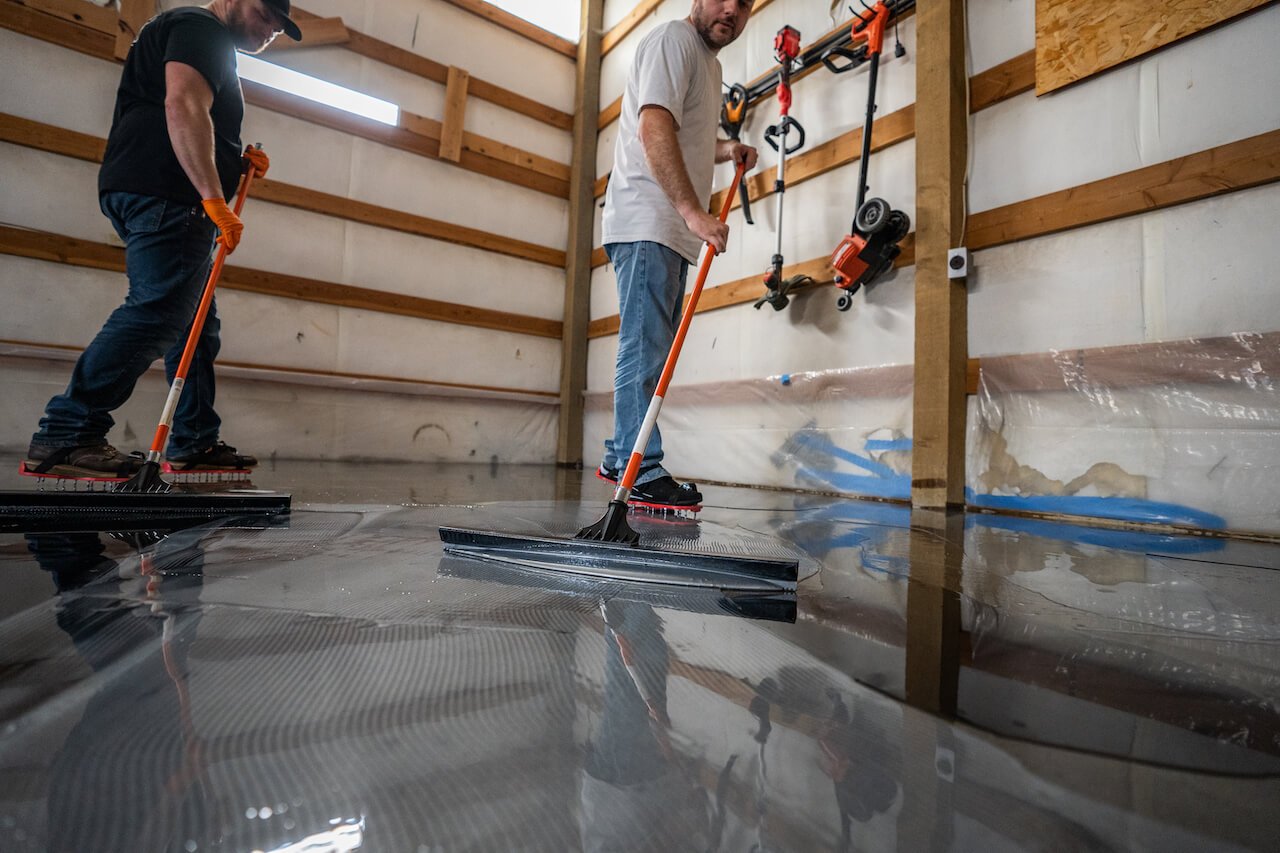
Mechanical diamond grinding removes weak surface material, opens the concrete profile, and helps identify areas that need additional work. Existing coatings, oil contamination, curing compounds, and sealers must be addressed. Cracks, pits, spalls, joints, and moisture concerns are evaluated before finish layers begin.
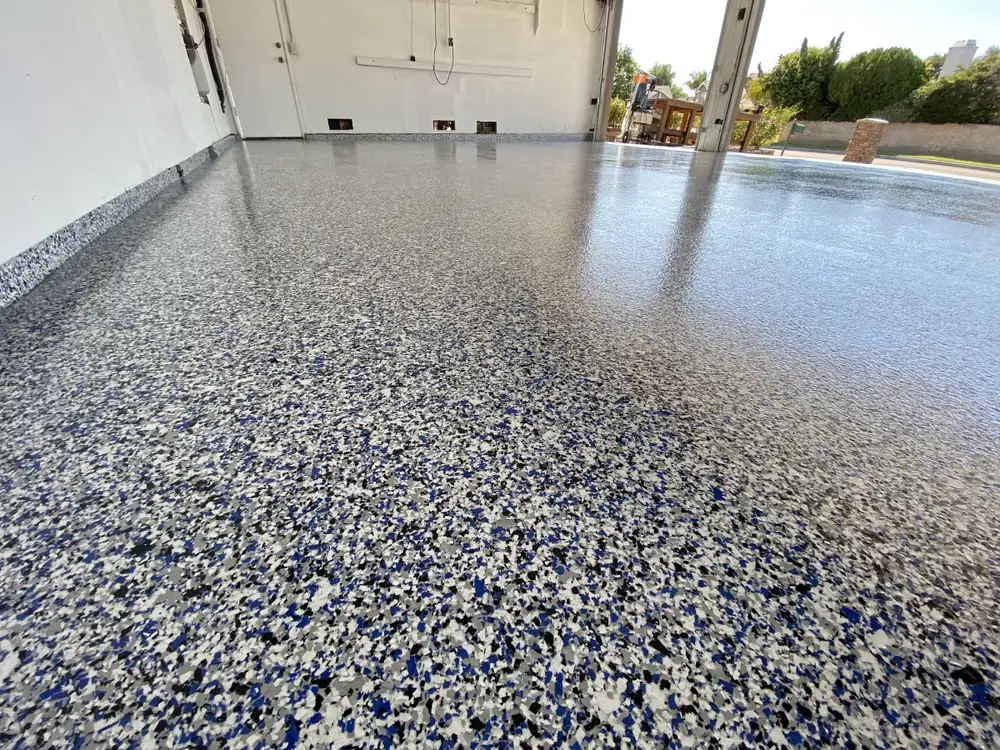
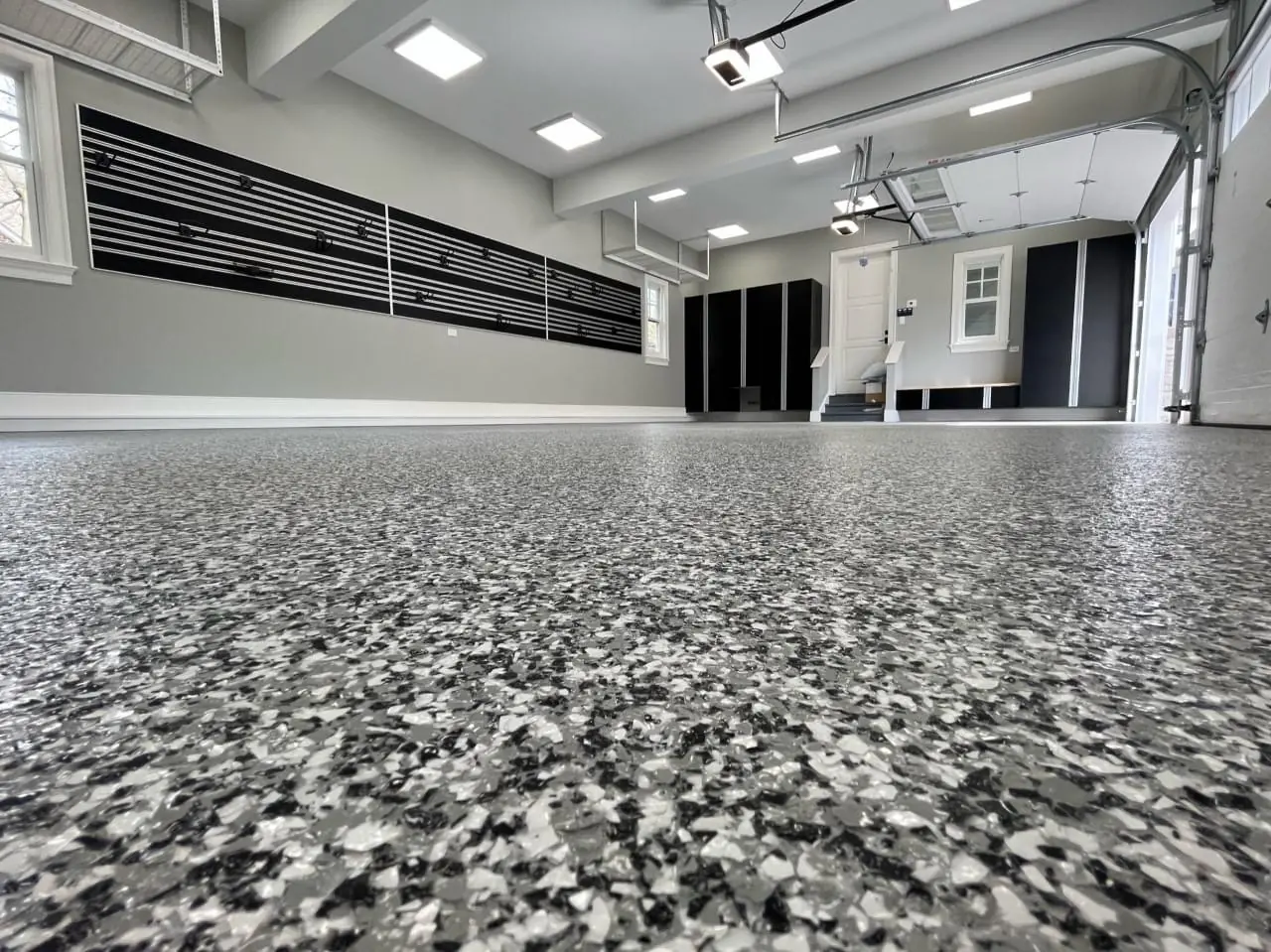
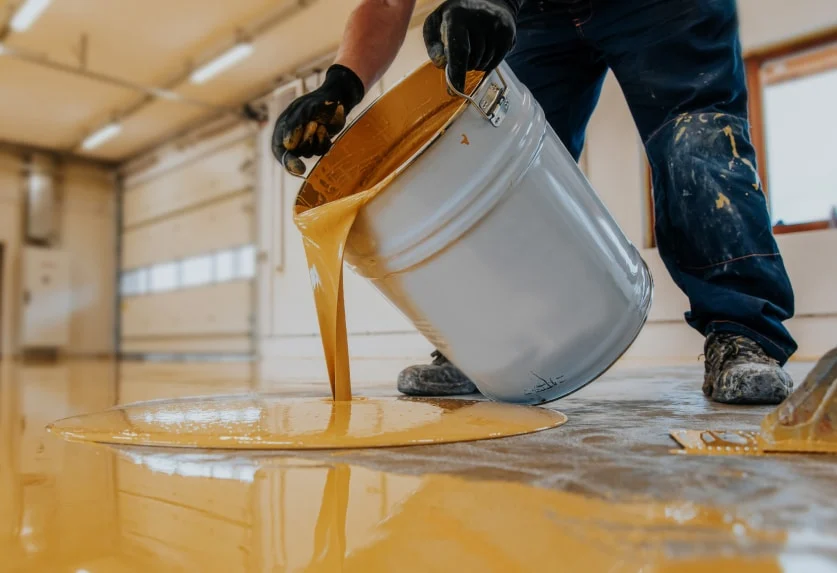
After preparation and repairs, the installer applies the specified base coat. Decorative flake or quartz may be broadcast into the wet material, often to full rejection for consistent coverage. Excess media is removed and the surface is prepared for the protective topcoat. Texture can be adjusted to balance traction with ease of cleaning.
Cure time is part of the installation—not an afterthought. Foot traffic, storage, rolling loads, and vehicle traffic may each have different return-to-service windows. Temperature and coating chemistry affect those windows, so the project plan should include clear instructions before the room goes back to work.
Local Service Across the Magic Valley
We plan residential and commercial coating projects in Twin Falls, Jerome, Kimberly, Filer, Buhl, Hansen, and Hagerman. Slab age, prior coatings, moisture, exposure, access, dust, and operating schedules differ by property and town, so recommendations begin with actual site conditions.
Magic Valley Service Area Map
Twin Falls Epoxy serves homes, shops, agricultural properties, and commercial facilities across Twin Falls and nearby Magic Valley communities.
Plan around use, finish, and budget
Garage Floor Coatings
Residential full-flake and protective garage systems.
Commercial Epoxy Flooring
Coatings for traffic, maintenance, safety, and business schedules.
Decorative Finishes
Flake, quartz, solid-color, and metallic-inspired options.
Epoxy Flooring Cost Guide
Understand the variables that shape preparation and system cost.
Project guidance by location
Use the local pages to review services available near your property, or browse completed floor ideas in the gallery.
Plan a Better Concrete Surface
Start with the slab condition, how the space is used, and the finish you want.
Questions before you coat
How long does a garage floor installation take?
Timing depends on slab preparation, repairs, system chemistry, temperature, and cure requirements. Many projects are completed over one or more working days, followed by specific foot-traffic and vehicle-traffic cure windows.
Can you coat cracked or damaged concrete?
Many cracks, pits, and worn areas can be repaired before coating. Active movement, moisture, or structural problems may require a different repair approach or may limit what a coating can accomplish, so inspection comes first.
Will the finished floor be slippery?
Any hard floor can become slippery when wet. Broadcast media and traction additives can create texture, but the right level depends on wet exposure, footwear, cleaning, and how the room is used.
Do you serve areas outside Twin Falls?
Yes. Service is planned throughout Jerome, Kimberly, Filer, Buhl, Hansen, Hagerman, and nearby Magic Valley communities depending on project scope, access, and scheduling.
Will the coating yellow in sunlight?
Coating chemistry matters. UV-stable, non-yellowing polyaspartic topcoats are often used where sunlight reaches garage doors, entries, or other exposed areas.